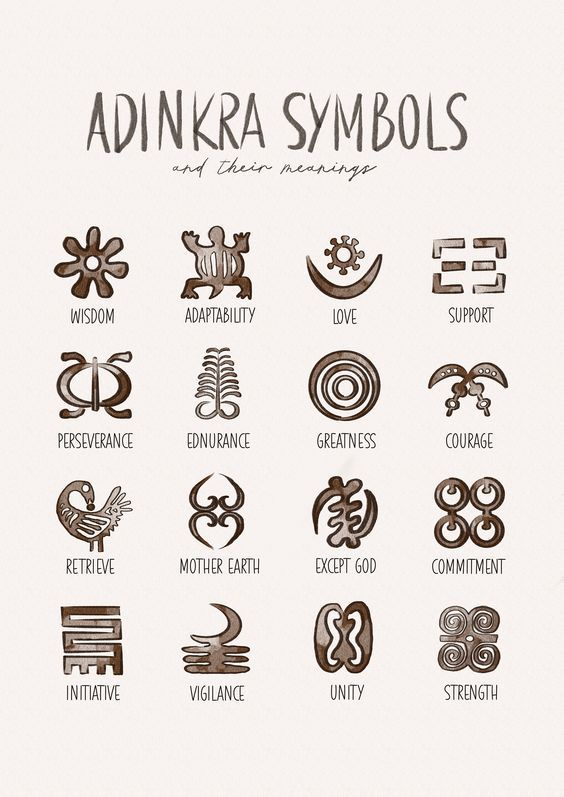
Our Guiding Principles
(Akan Philosophy & Revolutionary Tradition)
Our organizational culture is guided by Akan philosophy, which shapes our political practice and our relationships with one another as comrades. This grounding affirms the importance of collective memory, disciplined study, and the retrieval of revolutionary knowledge necessary to build a new world.
As a Marxist organization, we stand in the revolutionary tradition of Marx, Engels, Lenin, CLR James, Fred Hampton, Malcolm X, Harriet Tubman, The Combahee River Collective, and Assata Shakur. We understand that revolutionary theory is not abstract or detached from real struggle—it is forged through it.
Our organization seeks to learn from both the failures of past communist movements and the achievements and limitations of the Black Panther Party. We aim to unite the working class across racial and national lines while consciously centering those who have been historically oppressed. We draw inspiration from the Rainbow Coalition forged by Fred Hampton, which sought to unite poor and working-class Black, White, Puerto Rican, Latinx, and other marginalized communities around a shared revolutionary program. Hampton demonstrated that genuine class unity is not color-blind but forged through struggle under the leadership of the most oppressed.
Central to this project is the commitment to expose, elevate, and engage the histories of PGM peoples. Histories that have been systematically erased, distorted, or dismissed by capitalist institutions and, at times, by sections of the leftists themselves. Understanding these histories is not a symbolic gesture; it is essential for building working-class solidarity grounded in material reality rather than abstraction.
With this understanding, we consciously name ourselves the Sankofa Communist Collective. Sankofa reflects our commitment to learning from history, affirming self-determination for oppressed peoples, and building a professional revolutionary organization in which all workers can study, struggle, and grow together—armed with theory, rooted in lived conditions, and oriented toward liberation.
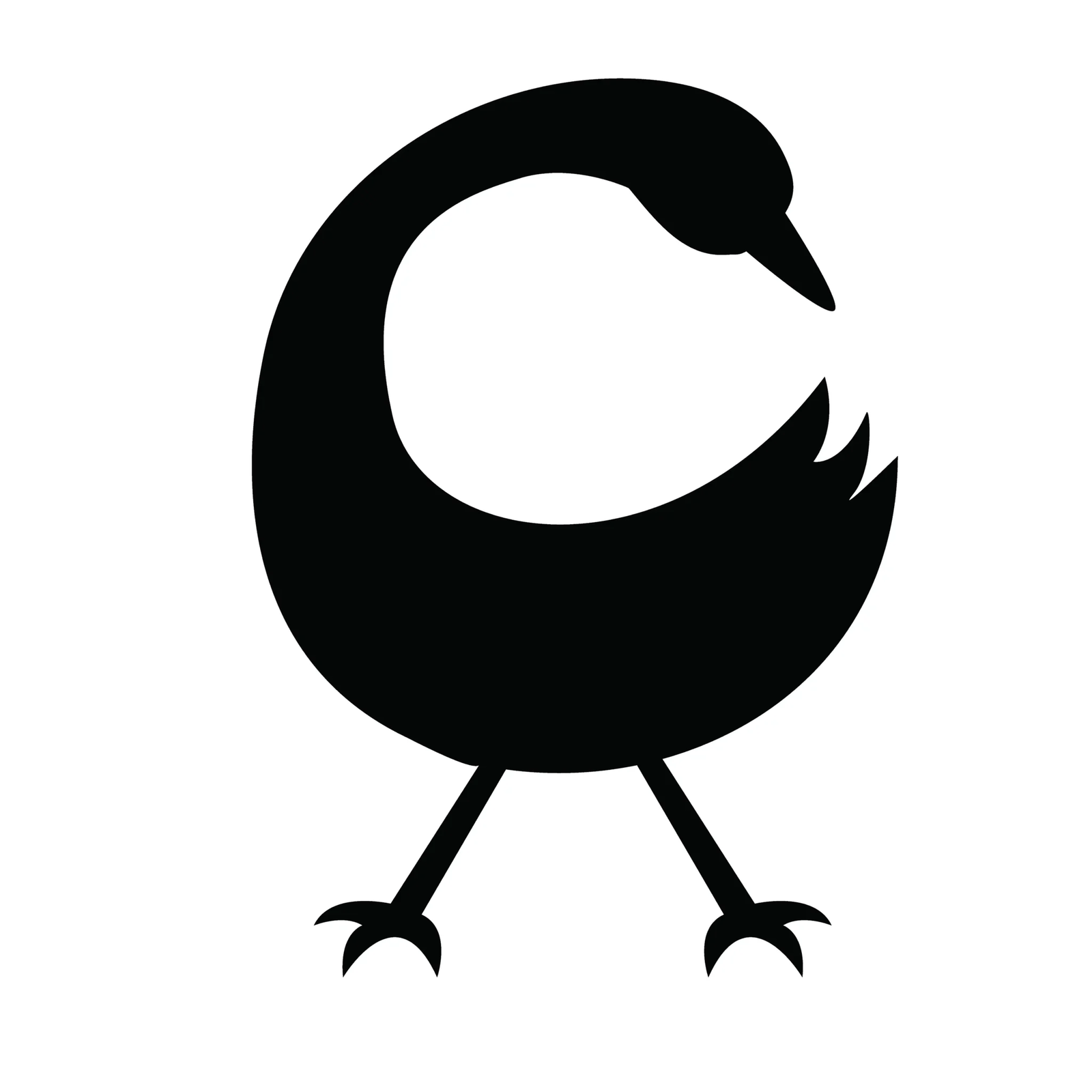
Sankofa — Learning from History
Sankofa translates to “Go Back and Get It,” signifying that to move forward wisely, we must first retrieve the lessons and knowledge of the past. The symbol is often represented by a bird reaching backward to grab an egg from its back—a powerful reminder that revolutionary insight, lost knowledge, and the experiences of those who struggled before us must be recovered and placed at the center of our work.
First and foremost, we are Marxists. Being a Marxist means studying and learning from history: understanding what capitalism is, why it enters crises, how it can be fought, and why revolutions have succeeded, degenerated, or failed. This task is central to Marx himself, who analyzed the Paris Commune to understand how a workers’ government could be achieved, and it is a guiding principle in Trotsky’s Transitional Program and the Black Panther’s 10-point program, which connects theory to the concrete struggles of the working class.
We also honor the Bolsheviks and PGM (People of the Global Majority) revolutionaries such as Amilcar Cabral, Walter Rodney, Patrice Lumumba, Charles Deslondes, the Afro-Seminoles, and Toussaint Louverture, learning from their victories, setbacks, and sacrifices. Our revolutionary heritage is rooted in the struggles of Black and African Americans, Indigenous communities, and all oppressed peoples; we study these histories through the lens of historical materialism. For far too long, the ruling class has attempted to shut PGM communities out of the science of liberation—Marxism itself—but we are here to go back and get it.
We hold firmly to the principle that learning from the past is essential for moving forward. Tradition and heritage carry valuable lessons; mistakes must be acknowledged and corrected. Understanding these past experiences strengthens our organization, sharpens our strategies, and lays the foundation for revolutionary success in growing a communist movement.
Kuronti ne Akwamu — Democracy and Unity
We strive to build and maintain direct democracy and unity within our organization, our communities, and in solidarity with people nationally and internationally.

Unity does not mean uniformity, cultish behavior, enforced sameness, or silence. It means principled, organized struggle carried out in good faith. We prioritize collective cohesion over individual ego and commit to working through disagreements rather than allowing them to fragment us.
Our unity is rooted in class struggle. We stand together on class lines while respecting individual personalities and acknowledging the distinct histories and systems of oppression that shape people’s identities.
Our practice of Confederal Democracy draws on the Indigenous Iroquois model of unification (which George Washington stole to make the U.S. Constitution, inefficiently bastardizing it) and ancient African communal tribes. This means various confederated state councils with full and open discussion amongst the people and their delegates, followed by accountable, unified implementation once decisions are adopted collectively. Debate is encouraged, criticism is principled, and once a majority is won, we move forward together in unity.
Fawohodie — Self‑Determination
To define ourselves, name ourselves, create for ourselves, and speak for ourselves. We affirm freedom, socialist interdependence, emancipation, and self-determination, and we commit to building self-governance through a confederated workers’ government.

"We declare our right on this earth to be a man, to be a human being, to be respected as a human being, to be given the rights of a human being in this society, on this earth, in this day, which we intend to bring into existence by any means necessary." - Malcolm X
We reject having our class position, identities, or political priorities defined by hostile institutions, the bourgeoisie and petty bourgeoisie, bad actors, systemic racism, capitalist greed, or unprincipled outside organizations. We speak in our own voice, develop our own analysis grounded in Marxist science, and determine our own path of struggle. This does not mean we ignore critique or advice from outside sources; rather, we examine the class character of such input while putting the interests of the working class first.
Self-determination requires full class independence. We hold no allegiance to the Democratic Party, the Republican Party, or social-democratic formations. We reject any cross-class alliances and political projects that subordinate the working-class struggle to bourgeois or petty-bourgeois leadership. Whatever strengthens working-class unity, we support. Whatever undermines it, we oppose.
As CLR James emphasized, self-determination is a democratic demand, and genuine class consciousness cannot be imposed from above. For this reason, we hold self-determination as a foundational principle of our organizing. Comrades who join are expected to actively uphold, defend, and practice this principle in disciplined solidarity alongside us.
Bi Nka Bi — Collective Work & Responsibility
To build and maintain our community together and to make one another’s problems our own. “Let no one bite the other.” A symbol of justice, fair play, freedom, peace, forgiveness, unity, harmony, and the avoidance of unnecessary conflict or strife.

No one organizes alone. We build an organization and organize efficiently by facilitating trust amongst each other first. Our successes and failures are collective. We take responsibility for one another’s political development and commit to resolving contradictions internally rather than abandoning comrades.
True comradeship means discipline with care—pulling one another back from opportunism or sectarianism instead of exploiting mistakes or engaging in harmful behavior. If you see something, say something. If you need something, let the collective know.
We also draw inspiration from Chairman Mao and practice critique and self-critique as tools for growth, accountability, and unity. Critique is offered in good faith, grounded in political principle, and directed toward correcting errors—not humiliating or isolating comrades. Self-critique is embraced as a responsibility, not a punishment, and is necessary for personal and collective development.
We also commit to collectively deciding when, where, and how we volunteer and intervene within our own communities, ensuring our work is intentional, accountable, and rooted in the needs of the people. We cannot substitute ourselves for the masses; we are apart of them not above them.
Baofo Ye Na — Cooperative Economics
To build and maintain our own organizations and benefit collectively from them. Helping others should be done with a sincere and open heart. Acts of kindness and support not only benefit the recipient but also enrich the giver’s life.

Our shared resources—time, labor, money, and skills—are treated with care, integrity, and transparency. Financial information is disclosed openly to all members. Dues, shared infrastructure, and collective planning are expressions of Baofo Ye Na. They are tools for sustainability, interdependence, and empowerment—not mechanisms of coercion.
We recognize that it takes time, labor, money, and skills to build a lasting organization. By pooling resources and acting collectively, we strengthen both our organizations and our communities, ensuring that resources and power remain in the hands of those who work for the collective good. We act, not expecting things from others; we give because we want to. We offer support without seeking egotistical recognition; we create a positive impact through comradely acts, and understand that kindness is the foundation of a better world. Our pride comes from actually serving and belonging in community.
Tabono — Purpose
To make our collective vocation the building and development of our people.

At Sankofa, our purpose is to make the world a better place. It sounds like a platitude, but it isn't. It’s our responsibility if we dare to claim to be human beings. We are bound together by our shared experiences of exploitation under this system. Through our work, we aim to show the socialist ideas being developed right now in society: to show our beauty, our creativity, our joy, our Blackness, our pride, and more. We want to show that socialism is not just a word but a life form.
We hope to inspire others by creating a culture of socialist interdependence, a new proletarian philosophy, so that anybody who is sick of this world and dreams of a better one knows they are not alone. We must reject bourgeois capitalist ideology, which is filled with nothing but individualism, wastefulness, profit, greed, racism, lies, exploitation, did we say greed already?, abuse, environmental destruction, and human rights violations.
Ultimately, our purpose is a world free of exploitation and all forms of oppression.
Ananse — Creativity
To leave our community more beautiful and beneficial than we inherited it.

There is power in intelligence. As Karl Marx emphasized, education and knowledge are key tools for understanding the world—and the ruling class works to deny them to us. Working-class knowledge helps us overcome challenges and cultivates wisdom. Creativity is equally important. Each comrade brings something unique—a talent, skill, quirk, or even a playful nuisance—that can inspire new ways of thinking and lead to innovative solutions that strengthen the party.
Life is complex, and as Marx discovered through the science of dialectical materialism, social change develops unevenly. Quantitative changes accumulate in a system until a tipping point of contradictions is reached, creating revolutionary leaps. Class struggle is forged through these contradictions. Understanding the web of relationships, challenges, and opportunities in the political economy develops wisdom and informs strategic action.
We are dialectical materialists. We recognize the interconnectedness of people and experiences, as well as the unity of opposites, and we commit to lifelong learning and personal growth. Writing, theory, art, education, and experimentation are all encouraged. While we cannot read everything, we must understand the core of Marxist theory and apply it.
Idealism can propose great ideas and open new perspectives, but it cannot change the world. Our material conditions are what shape our ideas, culture, life, struggles, and thoughts. Ideas alone cannot end capitalism—only concrete, militant class struggle can. A whole world exists beyond social media. ICE doesn't terrorize people on social media—they do it in person; you pull out your phone to record, and now the idea that ICE is bad is in your head.
Therefore, we are building something new—not merely copying the past. We use history to guide us, learn from mistakes, and put ourselves into practice to test theory and develop it. Through democratic creativity, we share ideas openly and help one another sharpen our voices, so that each comrade can shine both publicly and internally. Creativity is not only personal expression but a collective responsibility to enrich our people, strengthen our organization, and advance the revolutionary project.
Owia A Repue — Revolutionary Optimism
To believe in our comrades and the righteousness of our struggle.

We understand that we live under capitalism: it is harsh, oppressive, and causes real suffering. People endure poverty and go without, and even as comrades, we face our own struggles, carrying histories of state suppression, marginalization, and personal hardship. Terrible events mark our epoch—Renee Good, Alex Pretti, Keith Porter, George Floyd, the Palestinian Genocide, the Sudanese and Kongo genocide, Venezuela, Trayvon Martin, Tamir Rice, Liam Ramos, Native American Kidnappings, the Epstein Class, Sandra Bland, Nolan Wells, Kohen Riley, etc. I could go on and on; this is the reality of a ruling class steeped in corruption and moral decay. Days can feel dark and long, and the weight of oppression can seem overwhelming.
Yet revolutionary optimism teaches us to persevere. Where there are people, there is power; that is how revolutionary optimism is cultivated: through the power of the people. America is the belly of the beast, but we know that what we are building—through disciplined struggle, collective organization, and principled action—aims to end this system and put an end to oppression for good. Every setback is a learning opportunity; each day is a chance to advance the struggle. Sometimes the revolution may be militant; other days, it may just be us resting, brewing, and stewing in it. The longer you cook a stew on the stove, the more flavorful it becomes until a decisive action is required. To let it burn out, or to add more water back to it to keep it going. In this case, our water is people. The more people we add to our movement, the more life we will have, and when that time comes for our stew to be finished, we will be the greatest meal ever.
By recording our history, sharpening our theory, and remaining professional, dedicated, and revolutionary, we strengthen ourselves, our comrades, and our movement. Through this disciplined action, we continue forward, hopeful that the work we do today lays the foundation for a future free from exploitation and oppression. Revolutionary optimism is not blind—it is rooted in struggle, in collective action, and in the unshakable belief that, together, we will prevail because where there is people there is power.
Why Cultural Grounding Matters
Unlike some Marxist or leftist organizations that dismiss culture, emotion, or identity as “idealist” or treat them with sectarian rigidity, we take a materially grounded approach. Culture shapes consciousness for all workers, providing meaning, cohesion, and a framework for struggle. For PGM people, culture carries particular historical and material weight—it has been a key vehicle through which communities have survived, resisted oppression, and maintained continuity under centuries of exploitation and fascist violence that has tried to erase them. We are only here today and know our history because our ancestors dared to dance, sing, love, create family, cultivate and survive.
We understand culture as a living social practice, and so did our predecessors; Fred Hampton, CLR James, Lenin, and Rosa Luxemburg understood the Marxist organization to be a living, breathing embodiment of the working class's day-to-day activities. Healthy organizations require healthy principles: values, traditions, and methods that allow our communities to develop power, discipline, and trust, ultimately growing into robust community councils or soviets as they were once known. We apply dialectical materialism concretely—by studying Marxism rigorously while honoring the revolutionary cultural practices that have historically sustained oppressed and PGM communities. By allowing them to guide and inform our actions, we are strengthening the communist movement as a whole.
In Solidarity,
Sankofa Communist Collective